Venezuela Request Emergency UNSC Session Over US Blockade
Venezuela Demands Emergency UN Security Council Session Over US Blockade as Tensions Escalate Toward Military Confrontation
Caracas has formally summoned the world’s highest diplomatic body into urgent action, demanding an emergency session of the United Nations Security Council over what it describes as “continuing American aggression” against Venezuela. In a letter addressed to the 15-member council and obtained by Reuters, Venezuela’s government accused the United States of escalating a de facto economic and military siege that threatens not only its sovereignty but regional stability across Latin America.
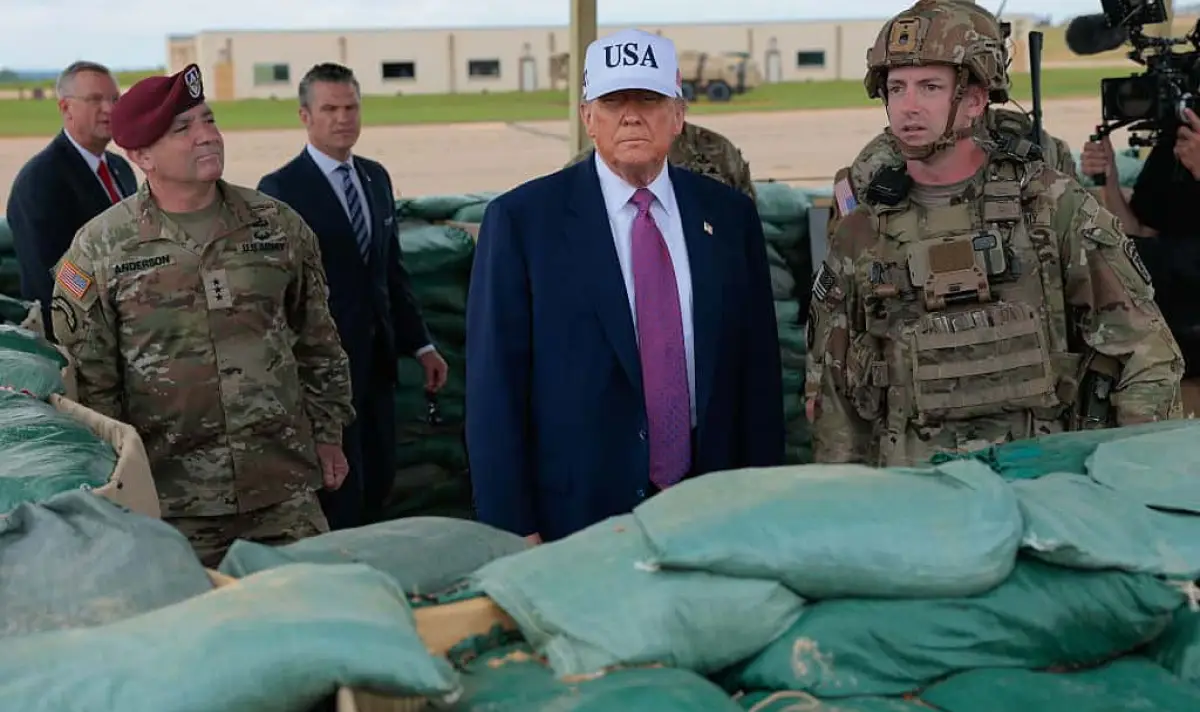
This dramatic appeal follows President Donald Trump’s announcement this Tuesday of a sweeping “blockade” targeting all sanctioned oil tankers operating to and from Venezuela—a move that strikes at the very lifeline of the Maduro administration. Oil, long the backbone of Venezuela’s crippled economy, now faces unprecedented disruption as Washington tightens its sanctions net, effectively weaponizing maritime enforcement under the banner of counter-narcotics and counter-terrorism.
The timing is explosive. Just days after U.S. forces destroyed 25 vessels in Caribbean operations, killing at least 95 people, many of whom Venezuela claims were civilians or fishermen,Trump’s administration has doubled down, declaring drug cartels in the region as “terrorist organizations” and asserting unilateral authority to strike them without congressional consent.
In Washington, political fault lines are widening. House Republicans, leveraging their majority, have rejected Democratic-led efforts to rein in presidential war powers. The proposed legislation—modest in scope yet constitutionally significant—would have required the Trump administration to seek explicit congressional approval before launching military strikes against cartels or Venezuela itself. Democrats argue this isn’t partisan maneuvering but a defense of Article I of the U.S. Constitution, which vests the power to declare war solely in Congress.
Congressman Gregory Meeks, ranking Democrat on the House Foreign Affairs Committee, did not mince words, suggesting Trump’s real motive lies beneath the rhetoric of security. “He’s not after cartels,” Meeks said. “He’s laming for Venezuelan oil.”
Yet, GOP loyalty remains steadfast. Senate leader John Thune, reflecting hardline sentiment within his party, dismissed concerns over legality or proportionality. “The Trump administration has never publicly stated that it wants regime change,” Thune remarked, “but I personally won’t mind if that’s what it is. Maduro is a tumor on this continent.”
Such language reveals a troubling shift: the normalization of regime change as acceptable foreign policy, wrapped in the language of moral condemnation rather than strategic assessment. It also ignores the catastrophic precedents of past interventions, Libya, Iraq, Haiti, where the removal of “tumors” often led to metastatic chaos.
Meanwhile, the United Nations is sounding alarms. Secretary-General António Guterres, through his spokesman Stéphane Dujarric, urged “restraint” and called for “an immediate calming of the situation,” warning against further escalation. His appeal followed a direct phone call between Guterres and President Maduro, during which the Venezuelan leader emphasized that Trump’s blockade and military posturing pose “serious consequences for regional peace.”

We build your website for you
What makes this moment perilous is not just the scale of U.S. actions but their legal ambiguity. The administration justifies naval interdictions and drone strikes under broad interpretations of counter-terrorism and maritime law enforcement. But when such operations result in civilian deaths, as in the September 2 incident where survivors of an initial strike were reportedly killed in a follow-up attack—they blur the line between law enforcement and warfare, raising serious questions under international humanitarian law.
Moreover, the unilateral blockade of tankers, even those under sanction, could violate the principle of freedom of navigation and constitute collective punishment—a prohibited act under the Geneva Conventions if it harms civilian populations. Venezuela’s oil exports fund not just the state but the distribution of food, medicine, and basic services. Crippling them without Security Council authorization risks deepening a humanitarian catastrophe already affecting millions.
The world now watches as diplomacy races against brinkmanship. Venezuela’s emergency UN request, likely to be heard next Tuesday, will test whether multilateral institutions can still serve as a brake on great-power aggression. For the United States, the crisis is more than geopolitical—it is constitutional, moral, and historical. At stake is not merely the fate of Nicolás Maduro, but the integrity of democratic checks on war, the credibility of international law, and the future of a hemisphere weary of foreign interventions disguised as liberation.
As Secretary-General Guterres pleads for calm, the real question remains: will Washington choose the path of restraint, or will it once again mistake military coercion for statesmanship—with consequences echoing far beyond the Caribbean Sea?