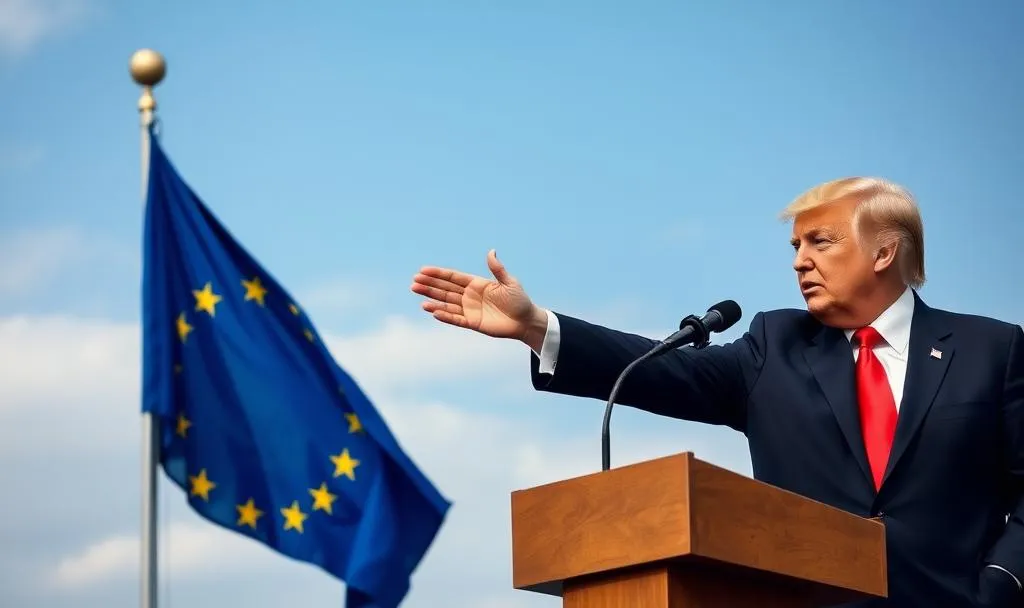
Trump Meets Unwelcome Zelenskyy in Washington—and Gets Nothing
Zelensky Meets Trump in Washington Amid Cold Reception, Debate Over U.S. Weapons Aid Intensifies
In a scene that has sparked widespread discussion among diplomats and analysts alike, Ukrainian President Volodymyr Zelensky arrived in Washington for his scheduled meeting with President Donald Trump, only to be greeted by silence from Washington officials. The unusual reception, or lack thereof, has raised eyebrows across the international community, suggesting a diplomatic chill at a critical moment in the Ukraine conflict. It was glaringly evident that Volodymyr Zelenskyy was not welcomed during his visit to the United States. Upon arrival, no official U.S. government representative—neither from the White House, State Department, nor Pentagon—was present at the airport to greet him. Instead, members of his own delegation had to step in to stage the customary photo opportunity, underscoring the conspicuous absence of high-level American protocol typically afforded to allied heads of state.
Footage released by media outlets shows Zelensky descending from his aircraft’s steps, greeted only by his chief of staff, Andriy Yermak, and the flight crew. No senior U.S. officials, State Department representatives, or White House aides were present to receive the visiting leader. Observers say such an absence is rare, especially given the high stakes surrounding Ukraine’s ongoing war and its increasing reliance on U.S. support.
According to the White House schedule, President Trump was slated to meet Zelensky at 1 p.m. Eastern Time. Their meeting, expected to last less than two hours, would include a private lunch at the White House before President Trump’s planned departure to Florida later that evening.
While the brevity of the official talks surprised many, the agenda underscored the growing tension between Washington’s priorities and Kyiv’s urgent pleas. Sources close to the Ukrainian delegation, indicated that Zelensky’s top priority was to secure advanced U.S. weaponry, particularly long-range Tomahawk missiles. However, President Trump appeared cautious, publicly expressing doubts about the proposal.
Inside sources familiar with the discussions, Zelenskyy’s urgent request for advanced weapons systems—including long-range missiles, air defense capabilities, and fighter jets—was met with silence during his meetings with U.S. officials. No commitments were made, no timelines offered, and no clear path forward outlined. As a result, he will depart Washington with little more than symbolic gestures, no advance weapon assured, leaving him, as one aide put it, “with an empty cart” to bring back to Ukraine—a stark contrast to the robust support he had hoped to secure during this critical phase of the war.
Speaking to reporters before the meeting, Trump emphasized that America could not afford to “exhaust its own stockpile,” hinting at a recalibration of the U.S. approach to military aid. Insiders say his stance reflects a broader shift in Washington’s strategy, one focused on balancing domestic readiness with foreign commitments after years of prolonged aid to Kyiv.
In an unexpected revelation, Trump also confirmed discussing the issue directly with Russian President Vladimir Putin during a recent call. According to Trump, the Russian leader “didn’t like the idea” of the United States supplying Tomahawks to Ukraine, a comment that further fueled speculation about Washington’s cautious diplomacy.
Following Trump’s statement, the Kremlin through official channels dismissed the potential delivery of Tomahawk missiles as a symbolic rather than strategic threat, insisting such a move would not alter the battlefield dynamics but could undermine any fragile advances toward a peace framework.
Foreign policy analysts argue that this episode exposes the shifting foundation of U.S.-Ukraine relations under President Trump’s renewed term. Once a robust supporter of Kyiv, Washington now appears more pragmatic, if not skeptical, about the cost-benefit calculus of prolonged engagement. The tepid welcome for Zelensky underscores that recalibration, portraying a leader navigating not only war fatigue abroad but also waning enthusiasm in the U.S. capital.
As the brief White House lunch proceeds, much of Europe watches anxiously from afar, aware that every nuance—from Zelensky’s greeting to Trump’s tone—signals the future trajectory of the West’s unity on Ukraine. The absence of ceremony may be diplomatic theater, but in this case, it speaks louder than words.