Cameroon Opposition Leader Accuses Government of Kidnapping Family
Cameroon Opposition Leader Issa Tchiroma Bakary Accuses Government of Kidnapping Family Amid Post Election Crackdown
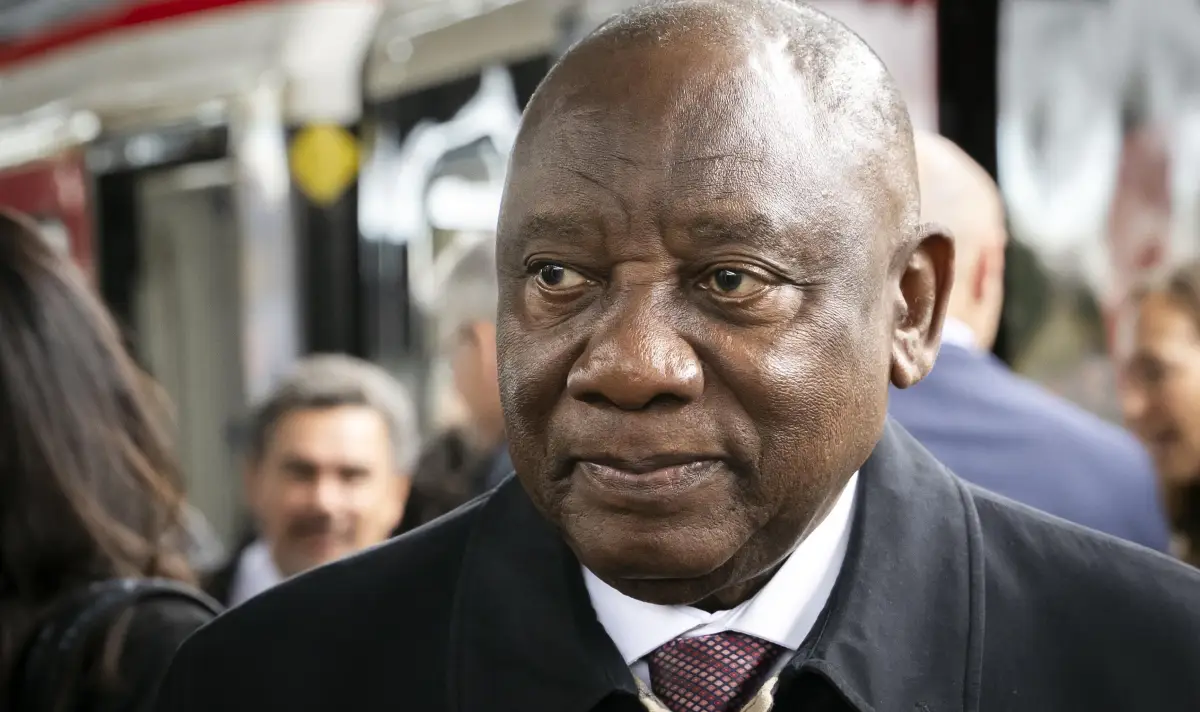
In the volatile aftermath of Cameroon’s disputed October 12 presidential election, opposition leader Issa Tchiroma Bakary has issued a chilling and deeply personal indictment of the state, alleging a systematic campaign of intimidation that has now struck at the heart of his own household. Speaking from an undisclosed location under what he describes as the protection of “loyalist” elements within the national army, Tchiroma revealed that two of his family members and his personal chef were abducted in Garoua on Wednesday night—an act he squarely attributes to the government’s escalating repression.
“This is no longer politics,” Tchiroma declared in a raw, impassioned statement that resonates with both grief and defiance. “It looks like an open war against the Cameroonian people. They spare nothing, assassinations, repression, and other abuses. They do not want peace. For them, every means must be used to remain in power, because they fear the consequences if they leave, hence the extreme violence of their actions.”
The abduction, if verified, marks a dangerous escalation in Cameroon’s post-election turmoil. Tchiroma, who claims he won the recent vote—a result the official electoral body has yet to confirm—has become a focal point of resistance against a regime he accuses of clinging to power through fear, coercion, and brute force. His words carry more than political weight; they reflect a nation teetering on the edge of deeper crisis, where dissent is met not with dialogue but with disappearance.
What makes Tchiroma’s account especially alarming is his assertion that the state’s tactics have shifted from targeting public figures to infiltrating private lives. By allegedly seizing his relatives and domestic staff, authorities may be attempting to fracture his resolve through psychological warfare—a strategy historically employed in authoritarian contexts to silence critics without triggering mass outrage. Yet Tchiroma refuses to be cowed. Instead, he frames the abductions as a rallying cry.
“Do you think you can pressure me with such acts?” he challenged. “All you will succeed in doing is alienating the people even more.”
His defiance is matched by a surprising twist: his reported relocation under the protection of segments of the military he calls “loyalist.” This reference to internal fractures within Cameroon’s armed forces hints at a deeper, more complex dynamic beneath the surface of state control. While the government projects unity, Tchiroma’s safe passage—allegedly facilitated by patriotic soldiers—suggests that even within the security apparatus, allegiances may be splintering along moral or ideological lines.
“I thank the loyalist army for showing patriotism by leading me to safety and protecting me now,” he said, signaling not just gratitude but a strategic alignment with dissenting military elements. Such a development could foreshadow broader institutional instability, especially if other officers begin to question the legitimacy of current leadership.
Human rights organizations have long documented Cameroon’s deteriorating civic space, but Tchiroma’s allegations inject urgency into those concerns. Arbitrary detentions, enforced disappearances, and the militarization of political dissent have become hallmarks of governance in several African states—but when a presidential contender’s own kin are taken from their home under cover of night, the message is unmistakable: no one is beyond reach.
Despite the personal trauma, Tchiroma remains unbowed. In a message both to his supporters and to those languishing in detention, he offered a vow wrapped in hope: “Hang in there—I will not rest until this regime gives you victory.” His repeated emphasis on “victory” underscores his unwavering belief that the election was stolen, and that justice—however delayed—is still attainable.
As tensions simmer in northern Cameroon, where protests have drawn heavy security deployments, the international community watches closely. The government has so far remained silent on Tchiroma’s claims, a silence that often speaks volumes in contexts where state denial precedes further repression.
Yet Tchiroma’s voice cuts through the noise—not as a mere politician, but as a man whose family has become collateral in a high-stakes battle for democracy. His story is not just about one election; it is about the price of truth in a nation where speaking it can cost you everything—even your loved ones.
And as he prepares to deliver what he calls a “solemn address,” Cameroon stands at a crossroads: will it descend further into authoritarian entrenchment, or will the courage of voices like Tchiroma’s ignite a broader movement for accountability, justice, and genuine democratic renewal? The answer may lie not only in the halls of power, but in the streets, the barracks, and the homes of ordinary citizens who refuse to be silenced.