Trump Warns Colombian President Gustavo Petro, “You’re Next” in Escalating U.S. Drug War, Following Seizure of Venezuelan Oil Tanker
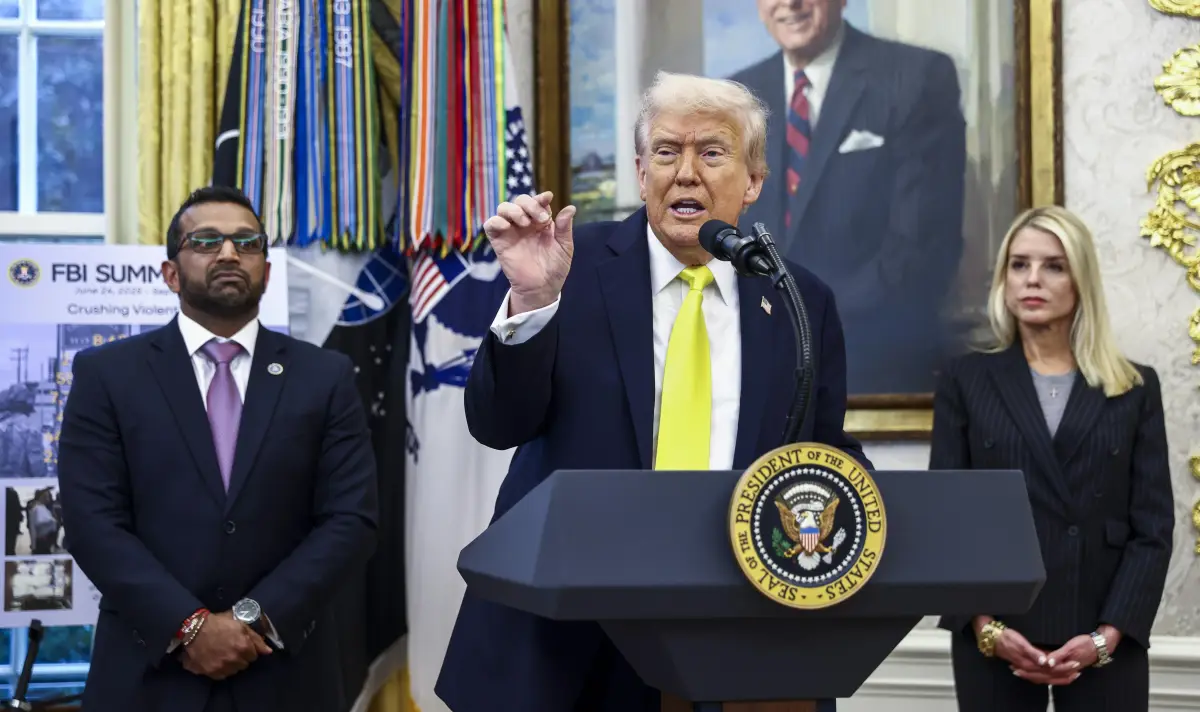
In a fiery escalation of rhetoric that underscores the growing tensions between Washington and Latin American leadership, U.S. President Donald Trump has directly targeted Colombian President Gustavo Petro, declaring, “He’ll be the next” unless Colombia cracks down decisively on drug production and trafficking. The statement, delivered with characteristic bluntness during a late-night press interaction, comes on the heels of a high-profile U.S. military operation off the Venezuelan coast—where American forces seized an oil tanker under the banner of counter-narcotics enforcement.
Trump, never one to mince words, dismissed the notion of diplomatic engagement with Petro when questioned by reporters. “I didn’t really think about him,” he said. “Colombia produces a lot of drugs, they have cocaine factories and sell it to the United States. So it’s better he come to his senses, or it’s going to be next.”
The warning isn’t just rhetorical posturing—it arrives against a backdrop of increasingly aggressive U.S. military interventions in the region. American forces have destroyed more than 20 vessels across Latin American waters in recent months, all under the official justification of combating drug smuggling. These operations have reportedly resulted in the deaths of approximately 90 individuals, raising serious concerns about civilian casualties and the scope of U.S. extraterritorial enforcement.
Among the most troubling incidents was a strike that Colombian authorities say killed a local fisherman, not a trafficker, as claimed by U.S. officials. President Petro condemned the action, highlighting the human cost of what he described as “unilateral militarism” that disregards sovereignty and due process. His government has long argued that drug policy must shift from punitive strikes to addressing root causes like poverty, lack of rural development, and global demand.
Yet Trump’s latest remarks signal a doubling down on a hardline approach, framing Petro’s progressive policies—particularly his emphasis on peace accords and decriminalization debates—as permissive toward narcotics. To Trump and his allies, Colombia’s role as the world’s largest producer of coca leaf is not just a regional issue but a direct threat to American communities grappling with the opioid and stimulant crisis.

For Colombia, the warning poses a delicate dilemma. Petro, the nation’s first leftist president, has sought to redefine its relationship with Washington, pushing for cooperation rooted in mutual respect rather than coercion. But Trump’s comments, and the military actions that accompany them threaten to undermine those efforts, potentially reigniting Cold War–era dynamics where Latin American leaders were forced to choose between compliance and confrontation.
Trump’s aggressive stance may also serve a dual domestic purpose: reasserting his “law and order” credentials while appealing to voters concerned about border security and drug influx. But abroad, the consequences could be far more volatile, destabilizing fragile democracies, straining alliances, and fueling anti-American sentiment across a region already weary of intervention.
In this high-stakes moment, Petro’s response will be closely watched. Will he stand firm on his vision of drug policy reform and national sovereignty, or will mounting pressure from Washington—not just from Trump but potentially a future administration—force a recalibration? One thing is certain: in the escalating shadow war over drugs, geography, and influence in Latin America, no leader appears safe from being labeled “next.”