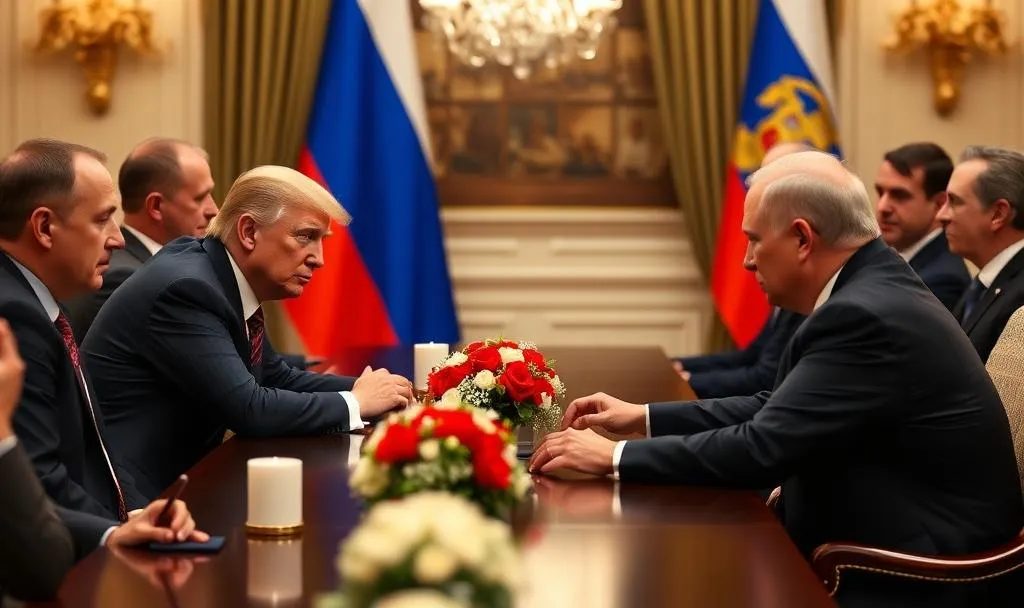
Israel Warns EU on Sanctions, Arab Leaders Talk Tough But Act Soft on Israel, as UN Report Sparks Outrage in Jerusalem.
The battlefield is no longer just Gaza, it’s Geneva, Brussels, Doha, and Washington.
Israel Warns EU: Sanctions Could Shatter Decades of Partnership, While Arab League’s Gaza Summit Yields Little, and UN Genocide Report Sparks Outrage in Jerusalem.
As geopolitical tensions reach fever pitch, Israel is sounding the alarm, not with missiles, but with diplomatic megaphones. In a high-stakes appeal to Europe, President Yitzhak Herzog has issued a blunt warning: Don’t burn the bridge.
🇮🇱 “Irreversible Damage” Looms as EU Mulls Sanctions
The European Commission is preparing to unveil a controversial sanctions package targeting Israel, including the partial suspension of the EU-Israel Association Agreement, which governs trade preferences critical to Israel’s economy. Under the proposed measures, Israeli exports could lose their tariff-free access to the EU, a market that absorbs nearly one-third of Israel’s global goods trade.
President Herzog, hosting newly appointed EU Ambassador Michael Anthony Mann in Jerusalem, didn’t mince words:
“I hope Europe is wise enough not to take irreversible action.”
His plea comes amid rising European frustration over Israel’s military campaign in Gaza, and follows pointed remarks by Commission President Ursula von der Leyen hinting at trade consequences. Herzog, while reaffirming his “passionate” commitment to EU-Israel ties, urged European leaders to review Israel’s data on Gaza aid delivery and reiterated that the unconditional release of hostages remains the only viable path to peace.
Of the 252 hostages seized by Hamas on October 7, 2023, in an attack that claimed lives, roughly 20 are believed still alive. Their fate, Herzog insists, must remain central to any diplomatic calculus.
🌍 Arab & Muslim Leaders Unite in Outrage, But Not in Action
Meanwhile, in Doha, nearly 60 Arab and Muslim states convened an emergency summit following Israel’s unprecedented airstrike on Hamas political operatives in Qatar, a move that rattled regional diplomacy and exposed deep fissures.
While fiery rhetoric filled the halls, with leaders condemning Israel’s “aggression” and calling for “legally effective measures,” the final communique stopped short of concrete punitive steps. No military action. No unified economic sanctions. Just a call for “reviewing diplomatic and economic relations” and “initiating legal proceedings.”
Analysts aren’t surprised.
“It is unlikely that Israel will take the statements of the Arab League seriously,” says Abdulaziz Algasian of the Gulf International Forum. “People were hoping for a lot more action.”
Behind closed doors, however, bilateral moves are brewing:
Qatar has severed all contact with Israel, including intelligence-sharing, a major blow to mediation efforts.
The UAE, once a poster child of the Abraham Accords, is reportedly considering downgrading ties. Abu Dhabi has already barred Israeli firms from a major Dubai air show and summoned Israeli diplomats after the Qatar strike.
A senior Emirati official told the Financial Times: “All options are on the table… We must avoid actions that obliterate years of progress toward regional integration.”
Even more telling? For the first time, voices within the UAE are openly questioning the value of the Abraham Accords.
“Agreements are becoming a political burden, not a strategic asset,” says UAE academic Abdulhalek Abdullah.
Saudi Arabia, the ultimate prize in Trump’s normalization dream, remains firmly opposed to any deal unless Israel ends the Gaza war and accepts a Palestinian state. Crown Prince Mohammed bin Salman has gone so far as to accuse Israel of “genocide.”
And as frustration mounts over Washington’s perceived inability, or unwillingness to rein in Netanyahu, Gulf states are quietly reevaluating their dependence on U.S. security guarantees.
“Everyone in the Middle East views this as a test,” an Arab official told the. “Will the U.S. protect them from Israel?”
🇺🇳 Israel Blasts UN Genocide Report as “Fabricated,” Demands Commission’s Dissolution
In another diplomatic firestorm, Israel’s Foreign Ministry has launched a blistering attack on a recent UN report by the Independent International Commission of Inquiry, which examined possible acts of genocide in Gaza.
Calling the report “false” and “Hamas propaganda,” Israel accused commission chair Navi Pillay and members Chris Sidoti and Miloon Kothari of being “anti-Semitic” and serving as “Hamas machines.” The ministry demanded the commission be disbanded with no replacements appointed.
Israel reiterated its position that it was Hamas, not Israel that attempted genocide on October 7, citing the group’s charter and public calls for the murder of Jews.
“This report is not based on facts, it’s based on fiction,” an Israeli official told the Jerusalem Post. “These authors have resigned. Let their legacy die with them.”
The UN report, which has yet to be formally adopted by member states, is likely to fuel further division at the Human Rights Council, and deepen Israel’s sense of diplomatic isolation.
🔍 Why This Matters And What Comes Next
For Europe: Sanctions may satisfy moral outrage, but risk unraveling decades of economic and security cooperation with Israel. The trade-off? Political principle vs. strategic partnership.
For the Arab World: Unity in condemnation ≠ unity in action. Behind the summit’s grand declarations lies a region deeply divided and deeply dependent on U.S. protection, but will they be protected against Israel? We all know the answer to that.
For Israel: Every diplomatic front is flaring, EU, Arab states, UN. Netanyahu’s government is doubling down on defiance, betting that international pressure will eventually fade.
For the U.S.: Caught between allies. Can Washington deter Israel without alienating it? Can it reassure Gulf partners without antagonizing Jerusalem? The stakes couldn’t be higher.
Final Thought:
Diplomacy is not dead, but it’s on life support. As Herzog pleads for wisdom, Arab leaders whisper about recalibration, and the UN faces accusations of bias, one truth remains: in this war, every missile is matched by a memo, every airstrike by a statement. The battlefield is no longer just Gaza, it’s Geneva, Brussels, Doha, and Washington.
And the world is watching.