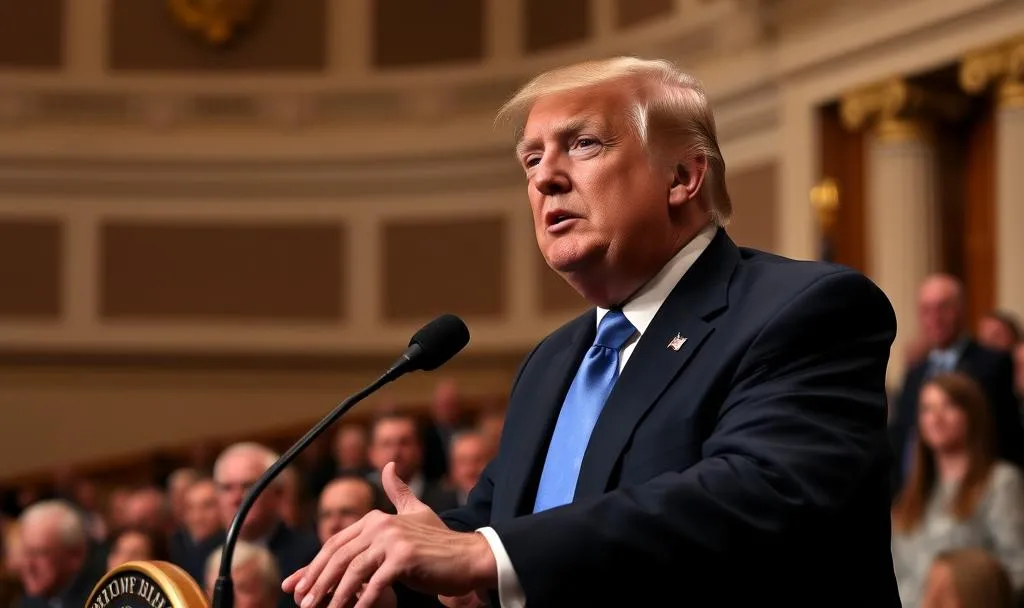
Kremlin Yet to Receive Trump’s Peace Proposal Plan
Kremlin Denies Receiving Any Signal from Kyiv on Trump’s Peace Proposal as Zelensky Engages U.S. Officials in High-Stakes Diplomacy
In a striking divergence of diplomatic narratives, the Kremlin declared it has received no formal indication that Ukraine is prepared to enter negotiations based on a peace framework reportedly championed by U.S. President Donald Trump, even as Kyiv confirmed high-level discussions with American defense officials aimed at advancing that very initiative.
According to Kremlin spokesman Dmitry Peskov categorically stated that Moscow remains in the dark regarding any willingness from President Volodymyr Zelensky’s administration to engage on the Trump-backed peace proposal. “So far, Moscow has not been notified of Zelensky’s agreement to negotiate on Trump’s peace plan,” Peskov, underscoring a critical communication gap that could complicate—or potentially derail—any nascent hopes for a negotiated end to Europe’s deadliest conflict in decades.
Meanwhile in Kyiv, the atmosphere told a markedly different story. Just hours earlier, President Zelensky revealed that he held substantive talks with U.S. Army Secretary Dan Driscoll, focusing expressly on operationalizing a U.S.-drafted diplomatic roadmap intended to halt Russian military operations that began on February 24, 2022. Zelensky’s office emphasized that the proposal, shared directly by Washington, outlines tangible pathways toward de-escalation and long-term security guarantees—though it stopped short of disclosing the plan’s specific terms.
This diplomatic double helix—Kyiv signaling openness while Moscow knows nothing so far—raises urgent questions about the channels, credibility, and sequencing of peace overtures in a war where trust has long been collateral damage. Analysts note that while Zelensky may be cautiously testing the waters of negotiation under a potential Trump administration, the Kremlin’s public stand could serve multiple purposes: preserving leverage, managing domestic optics, or genuinely reflecting a lack of direct outreach from Western or Ukrainian intermediaries.
What makes this moment particularly delicate is the political context on both sides of the Atlantic. With Trump decline in polls with promises to “end the war,” his proposed peace framework—though light on public detail—has become a focal point for speculation, hope, and skepticism alike. Zelensky’s decision to publicly align with the initiative, even preliminarily, may signal Kyiv’s strategic pivot toward securing Western consensus before any formal talks, recognizing that any ceasefire without ironclad security assurances could leave Ukraine dangerously exposed. However, the EU are likely not to go along with this proposal, which will eventually lead back to a standstill.
Yet the Kremlin’s silence speaks volumes. Russia has historically rejected any peace plan not anchored in its own maximalist demands, including Ukrainian neutrality and recognition of annexed territories. Peskov’s remarks suggest Moscow either rejects the premise of Trump’s proposal outright or insists on being approached through formal, direct channels—an expectation Kyiv may be deliberately avoiding until its position is fortified by Western backing.
For now, the world watches a high-stakes game of diplomatic chess unfolding in real time, where every statement is calibrated, every omission strategic, and the specter of peace remains tantalizingly close yet frustratingly out of reach. As Zelensky walks the tightrope between battlefield realities and political pragmatism, and as Moscow feigns detachment while weighing its next move, one truth endures: any path to peace must first bridge not just geographical frontlines, but the chasm of mutual suspicion between capitals.
The coming days—and the transparency, or lack thereof, in backchannel communications—will determine whether Trump’s peace overture becomes a historic breakthrough or another footnote in a war that refuses to end.